

Understand the changes
AI, automation, platform work and the changing realities of labour mobility.
Stay & Shape / Conference series 2026
Sarajevo 22—23.10.2026
Work, Migration and Technology
The Balkans in focus.
Two days to explore how technology and migration are changing work — and who gets to shape what comes next.
Registration hosted by Friedrich-Ebert-Stiftung
01 / The conversation
The Balkans are undergoing two major transformations at once: rapid technological change and profound demographic and labour-market shifts.
Digitalisation, AI, automation and platform work are reshaping the organisation of work , while emigration, growing inward migration, ageing population and labour shortages are changing who works, where, and under which conditions. The region is therefore experiencing both - the loss of workers through emigration and the arrival of workers from the neighbouring countries and beyond. This trends are creating new patterns of labour mobility and raising questions about integration, working conditions and workers’ rights.
“Who Shapes the Future of Work in the Balkans?” conference brings these developments together, creating a space for dialogue between researchers, trade unions, civil society organisations, technology centres, private-sector actors including start-ups, and political actors. Together we will examine, how technological and demographic changes interact, how different interests and forms of power shape these processes, and how developments within the Balkans connect to wider European and global trends. Particular attention will be given to emerging innovation ecosystems, start-ups and technology hubs, as well as new forms of digital and remote work and their implications for workplaces and labour markets.
A central focus will be the relationship between technology and labour mobility. Are labour shortages and emigration driving both greater investment in automation and increased demand for migrant workers? How is remote work creating new forms of cross-border employment without physical migration? And how automation and AI might transform the relationship between workers and technology—from augmenting and transforming jobs to replacing them?
AI, automation, platform work and the changing realities of labour mobility.
Discover regional research, technologies and start-ups at the interactive innovation bazaar.
Explore power, workers’ rights and the choices shaping the future of the Balkans.
02 / The programme
Programme Sessions and speakers are subject to change.
Thursday · 22 October
Technology, mobility and the people driving change.
Sarah Hees-Kalyani (Friedrich-Ebert-Foundation)
Teresa Linzner (Austrian Federal Ministry of Labour, Social Affairs, Health, Care and Consumer Protection)
Samir Kurtović is President of the Confederation of Independent Trade Unions of Bosnia and Herzegovina (SSSBiH). A lawyer by training, he has been active in the trade union movement since 1996 and has extensive experience in collective bargaining, labour legislation and social dialogue. Before assuming the leadership of SSSBiH, he served as President of the Trade Union of Civil Servants and Employees in State Administration, Judicial Authorities and Public Institutions of the Federation of Bosnia and Herzegovina.
A keynote exploring the development of workplace technologies, digitalisation, AI, automation, platform work and remote work. What is changing already, and what is still emerging? How are Balkan economies and workers positioned within wider European and global technological transformations?
Branimir Jovanovic is Economist at wiiw, covering the Western Balkans and serving as a country expert for North Macedonia and Serbia. He works on a broad range of topics, including economic growth and development, inequality and poverty, fiscal policy and taxation, social policies and labour rights, EU integration, and foreign direct investment. From 2017 to 2019, he advised the Minister of Finance of North Macedonia, and from 2007 to 2015, he was a researcher at the National Bank of North Macedonia.
A keynote focusing on migration and labour mobility in the Balkan region. How are demographic change, emigration, labour shortages and precarious employment connected to technological change? What happens when people migrate for work—and what happens when technology allows them to work for foreign companies without migrating?
Jelena Šapić focuses on the social impact of human-computer interactions and digital disruptions. Her research interests lie in the intersection of technological development and socio-economic changes, particularly how digital technologies and AI applications are shifting labour divisions and altering power dynamics. Jelena created Fusing Futures, an audio podcast that makes a leapfrog to the digital economy and society. The podcast got awarded as one of the three most innovative media content in the Western Balkans in 2019.
An interactive session bringing together organisations working at the intersection of technology, migration and labour.
EIT Community Hub Bosnia and Herzegovina
ANNT -Asocijacija za napredak nauke i tehnologije (ANNT)
Who is driving digital transformation in the Balkans? Who benefits from it? Who carries the risks? Are governments regulating technology—or simply responding to changes driven by business and investment? And where are workers and trade unions in these processes?
Amar Numanović is a Project Manager at the International Labour Organization (ILO), focusing on Sustainable Development Goal 8, which promotes sustained, inclusive economic growth, full and productive employment, and decent work for all. He has a background in business development and program management, particularly within the ICT/BPO and e-commerce sectors. His educational credentials include a degree from the University of Ljubljana. In his role at the ILO, Numanović is involved in various initiatives aimed at enhancing employment opportunities and addressing labor market challenges. He is recognized for his commitment to advancing policies that foster economic development and improve working conditions globally.
Ratka Babić is Team Leader of the Employment and Social Affairs Platform, a regional project jointly implemented by the Regional Cooperation Council (RCC) and the International Labour Organization (ILO). Her work focuses on employment and social policy, social dialogue, labour standards and the European Pillar of Social Rights, with particular emphasis on the Western Balkans.
Faris Godinjak holds a PhD in Law and serves as Head of the Department for Foreign Trade Policy, Control and Safeguard Measures at the Ministry of Foreign Trade and Economic Relations of Bosnia and Herzegovina. His professional and academic work focuses on foreign trade policy, European Union law and the international economic integration of Bosnia and Herzegovina.
Friday · 23 October
Future scenarios, social protection and the choices ahead.
A critical and forward-looking session exploring how automation, AI, data-driven workplaces and emerging technologies are reshaping the relationship between humans and machines, from human augmentation and job transformation to highly automated production, humanoid robots and the “dark factories” emerging in China. The session will examine what these developments might mean for the future of work in Europe— and, more importantly, ask what kind of future we are building and who gets to shape it.
Bernd Christoph Ströhm is Senior Research Associate and Country Expert at the Vienna Institute for International Economic Studies (wiiw) as well as Teaching Fellow at the Diplomatic Academy of Vienna. In addition, Ströhm works as advisor and political risk analyst at S&P Global Market Intelligence, with special focus on Central, Eastern and South-Eastern Europe. He holds a PhD in East European Studies and a master’s in Advanced International Studies. At wiiw, he regularly drafts macroeconomic analysis / policy forecast reports, examines demographic / labour market developments as well as industrial policies in South-Eastern Europe while monitoring EU enlargement policies, government stability and non-EU influence in the Western Balkan region. He also holds interdisciplinary lectures about the Western Balkans at the Diplomatic Academy of Vienna, covering topics such as EU enlargement and China's or Russia's geopolitical / geoeconomic influence on the region.
How are population ageing, labour shortages, migration and technological change reshaping Europe's social model? The session considers how these changes affect women and men differently, and which workers are most exposed to automation and precarious employment. It also asks whether EU enlargement is supporting social protection and education systems in the Western Balkans to meet these challenges. Across the EU and its candidate countries alike: can social protection, skills development and lifelong learning adapt — and who bears the costs of the transition?
Mirna Jusić is Assistant Professor at Department of Public and Social Policy, Faculty of Social Sciences, Charles University in Prague. Prior to this, Mirna had been a researcher at the Center for Social Research Analitika since 2009.
The final discussion brings together the conference two key themes: migration and technological change. With a strong political and local focus, trade unions, political actors and technology-sector representatives will debate how these transformations affect workers, economies and social and labour rights, and what they mean for the future of the Balkan region.
Adis Kečo is Head of the Professional Service of the Confederation of Independent Trade Unions of Bosnia and Herzegovina. A labour-law expert and experienced trade union representative, his work focuses on workers’ rights, wages, occupational health and safety, collective bargaining and social dialogue. He regularly represents SSSBiH in public and policy debates on labour-market developments in Bosnia and Herzegovina.
Ksenija Ivanović is an external PhD candidate at the Department of Human Geography, Spatial Planning and Environment, researching skills development and labour migration in the Western Balkans. She is also a junior researcher and project manager on the Horizon Europe project 'Global Strategy for Skills, Migration and Development' (GS4S). Her educational background is in the fields of political economy, development economics, macroeconomics and public policy. Ksenija has previously worked as junior researcher at the Research and Expertise Centre for Survey Methodology (Pompeu Fabra University) in Barcelona, and as junior economist at the Centre for Advanced Economic Studies in Belgrade, Serbia. Her main research interests are political economy of labor market institutions, the knowledge-policy-development nexus and neoliberalization. She focuses primarily on the Western Balkan region and the EU.
Suad Krilašević is an assistant professor at the International University of Sarajevo. His research background is in control and optimisation. Suad also leads scientific initiatives through the Association for the Advancement of Science and Technology.
Moderated by Dr. Erol Mujanović is an economic development expert, with a PhD. in economics & entrepreneurship, he loves working with startups particularly blockchain related and teaching. He led teams and projects for top level governments and international organizations in Western Balkans implementing complex economic & business development projects. He worked as a manager, consultant, and trainer His lifelong learning includes numerous diplomatic & business skills training in Paris, London, Brussels and Washington DC, in the fields such as leadership, business development, strategic management, entrepreneurship. He is a co-founder of the Sarajevo "Marathon" Association and the Association of business service leaders in BiH (ABSL) that promotes BPO (Business processes outsourcing) in the region.
All times are local to Sarajevo. Open a session for its description and available speaker biography.
03 / Plan your visit
Two days, in person. Here are the essentials.
Questions? Contact FES04 / Ideas behind the conversation
Research on work, migration and technology. Explore the ideas shaping our conference — and what comes next.
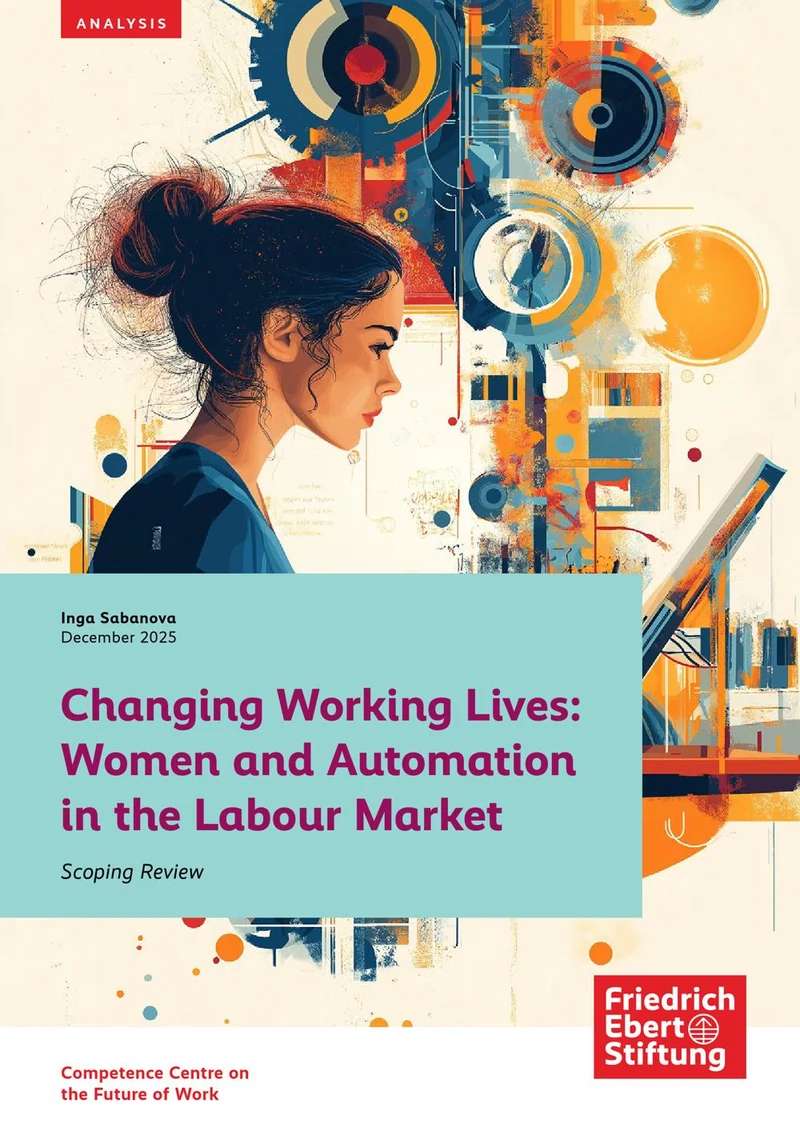
Gender & care
Gender differences in the effects of automation on employment and working lives.
Read publication: Changing working lives: women and automation in the labour market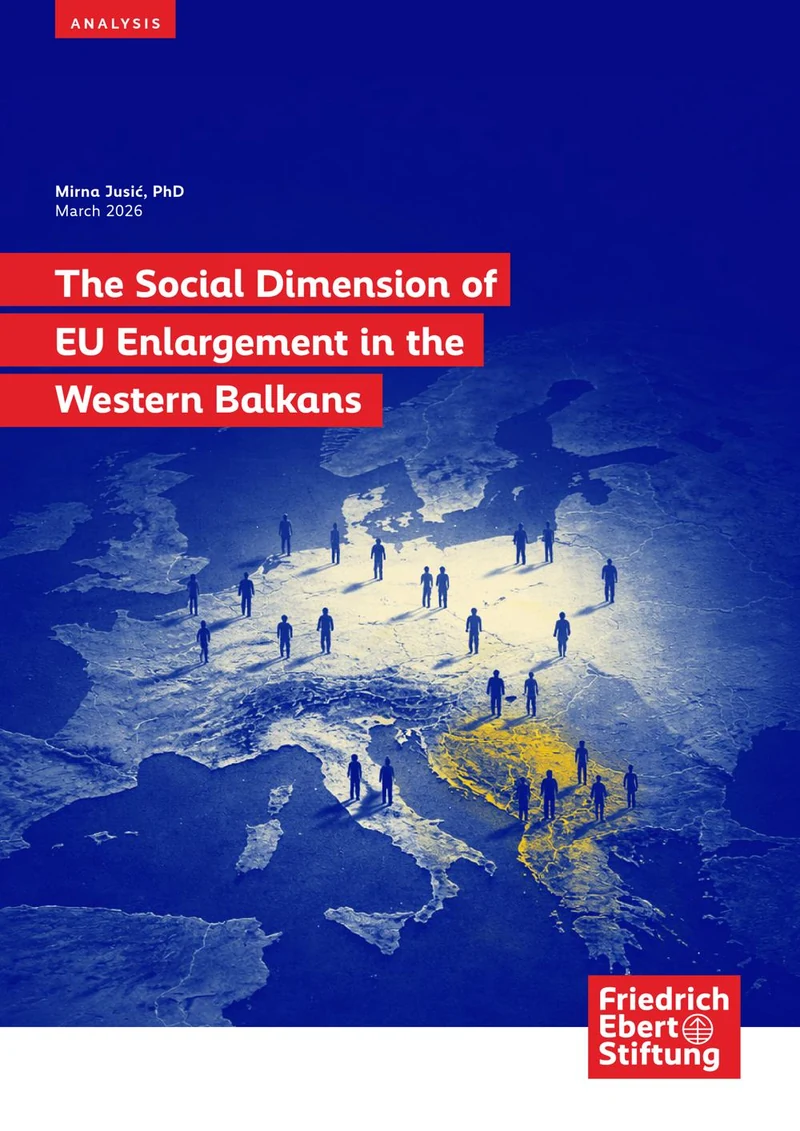
Labour markets
Conference speaker · Mirna Jusić
Social rights, employment, education and social protection in the Western Balkans.
Read publication: The social dimension of EU enlargement in the Western Balkans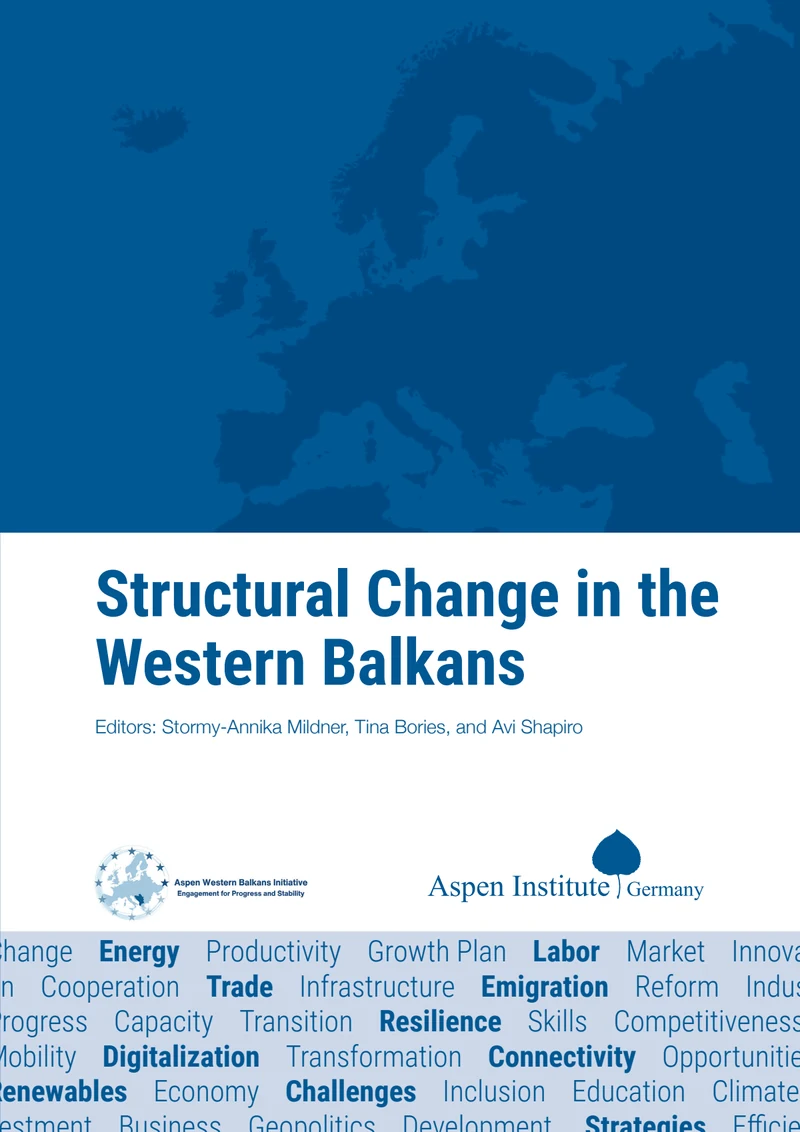
Labour markets
Conference speaker · Branimir Jovanović
Labour shortages, emigration, wages, skills and regional development; chapter in Structural Change in the Western Balkans.
Read publication: Western Balkan Labor Markets – Shifts, Shortfalls, Solutions
Migration & mobility
Conference speaker · Ksenija Ivanović
Ethical recruitment, migrant-worker protection and fair skilled mobility; open-access chapter in Fair Skilled Mobility: A Manifesto.
Read publication: Pursuing an ethical labour migration process in transnational recruitment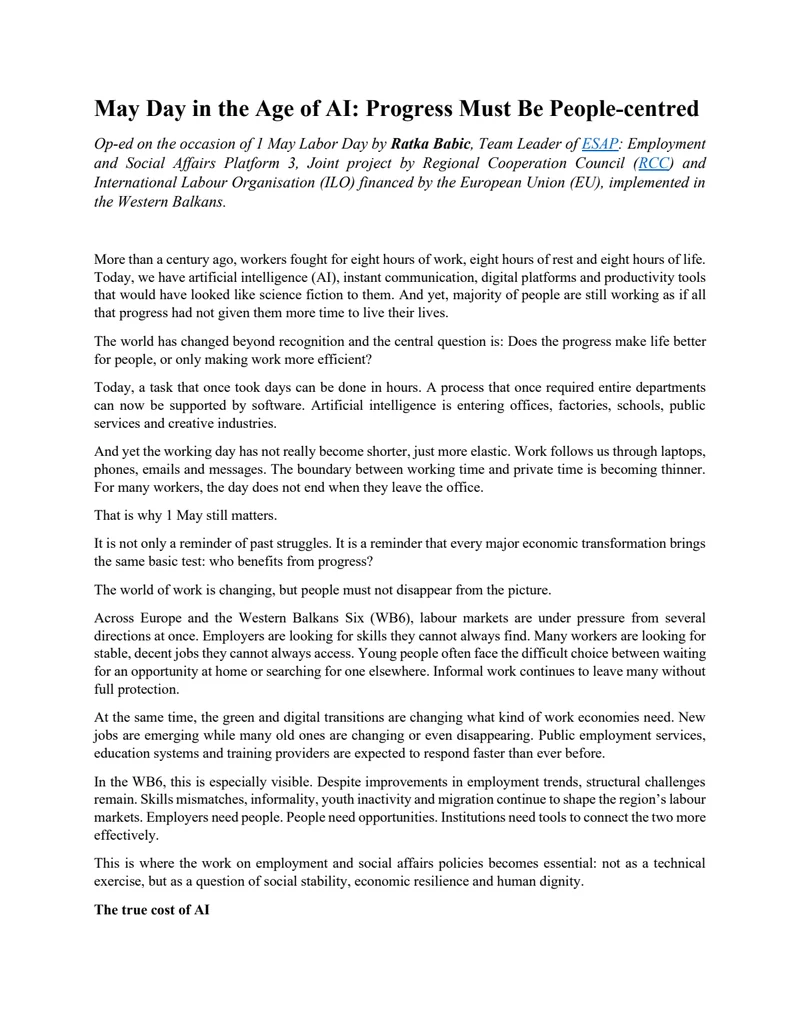
Workers’ rights
Conference speaker · Ratka Babić
Connects AI, working time, job quality and workers’ interests in Europe and the Western Balkans.
Read publication: May Day in the Age of AI: Progress Must Be People-centred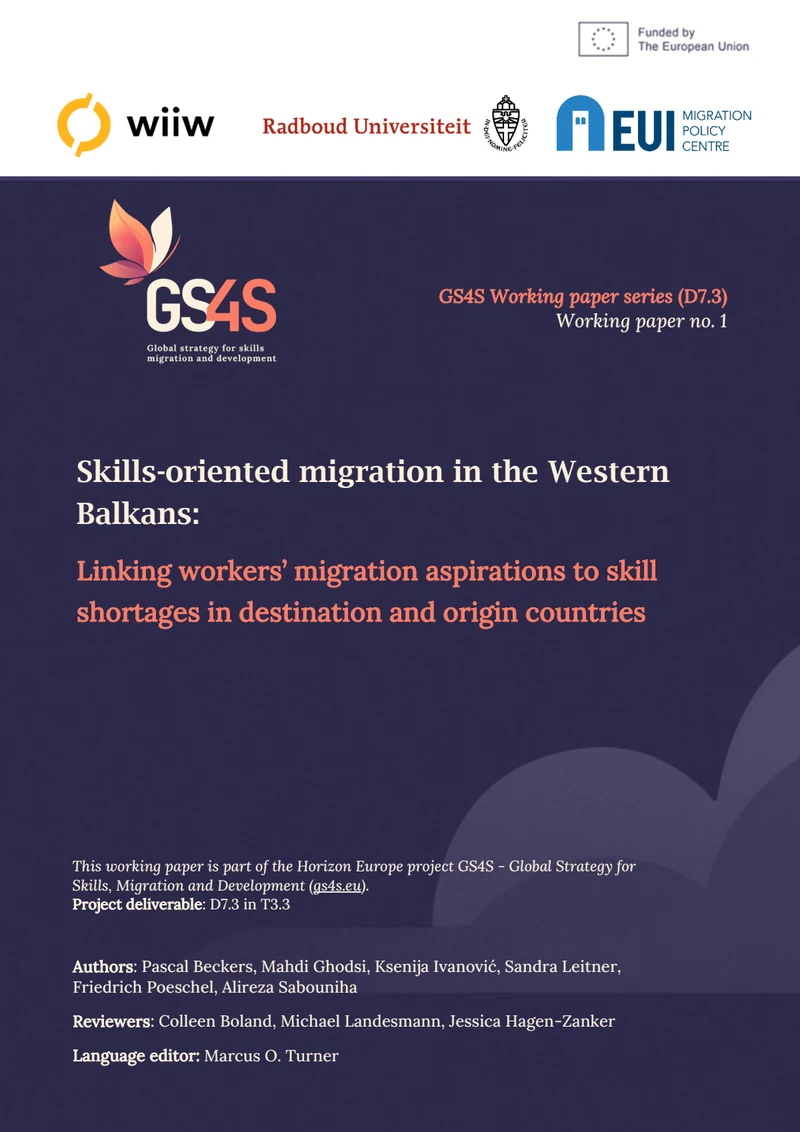
Migration & mobility
Conference speaker · Ksenija Ivanović
Evidence on how labour shortages affect migration aspirations in Albania, Bosnia and Herzegovina and Serbia.
Read publication: Skills-oriented migration in the Western Balkans: linking workers’ migration aspirations to skill shortages in destination and origin countries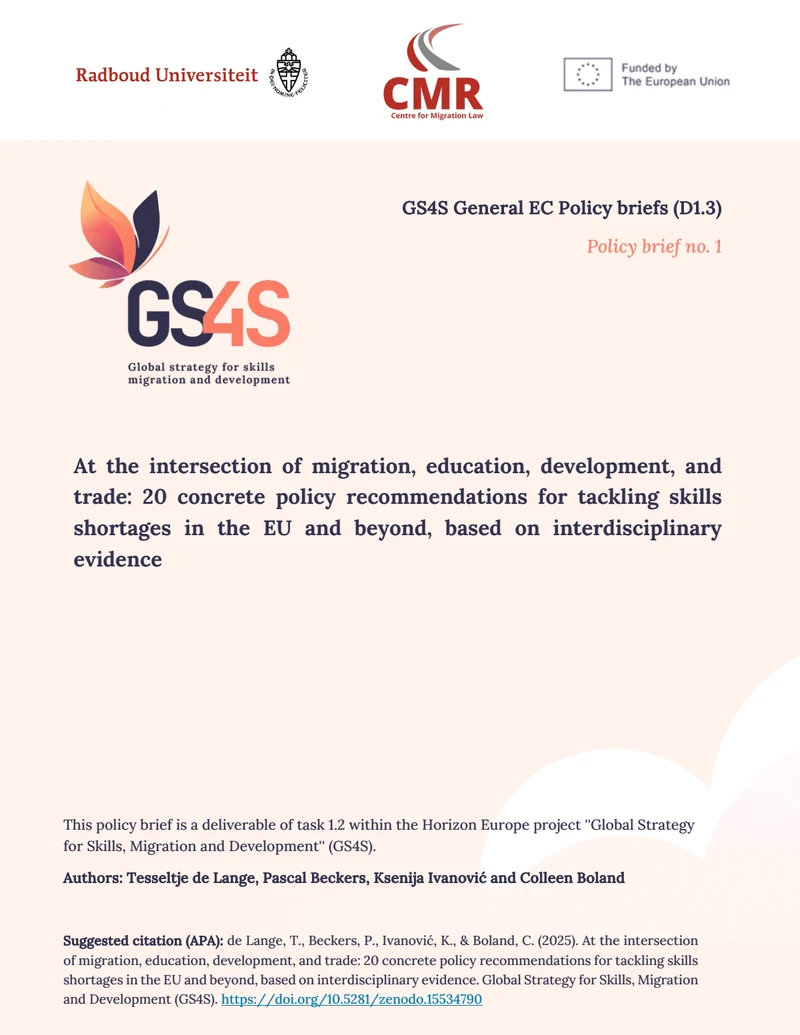
Labour markets
Conference speaker · Ksenija Ivanović
Recommendations addressing skills shortages in digital, care and construction sectors through connected policy areas.
Read publication: At the intersection of migration, education, development, and trade: 20 concrete policy recommendations for tackling skills shortages in the EU and beyond, based on interdisciplinary evidence
Platform & remote work
Conference speaker · Jelena Šapić
Platforms, workplace AI, youth employment and wellbeing, coedited by conference speaker Jelena Šapić.
Read publication: Back to What Truly Matters: Platforms, AI, and Youth in the Workplace
AI & technology
Conference speaker · Suad Krilašević
Co-designed competency pathways for early-stage researchers in Industry 5.0.
Read publication: From Thesis to Transition: An INSIGHT-Inspired Approach to Co-Designing Industry 5.0 Competency Pathways for Early-Stage Researchers41 publications
Migrant-worker protection, cross-border enforcement and digital social-security coordination.
Read publication: ETUC Position on the Fair Labour Mobility Package: ELA and ESSPASS
Practical support and counselling for mobile migrant workers, including options involving the European Labour Authority.
Read publication: Protection of mobile migrant labour in the European single market: facilitating a counselling and support network for mobile migrant labourConference speaker
Co-designed competency pathways for early-stage researchers in Industry 5.0.
Read publication: From Thesis to Transition: An INSIGHT-Inspired Approach to Co-Designing Industry 5.0 Competency Pathways for Early-Stage Researchers
An accessible entry into how algorithms are developed and why those choices matter.
Read publication: Inside the black box: how algorithms are made – and why it matters
AI infrastructure, European sovereignty and power in the digital economy.
Read publication: Chasing the AI cloud in Europe: handover blindness and implications for EU AI sovereigntyConference speaker
Connects AI, working time, job quality and workers’ interests in Europe and the Western Balkans.
Read publication: May Day in the Age of AI: Progress Must Be People-centred
Workplace technologies, workers’ rights, bargaining suggestions and checklists grounded in Albania.
Read publication: Negotiating digitalised workplaces: rights and obligations, Albania
Scientific migration, diaspora connections and opportunities for return and cooperation.
Read publication: The new scientific diaspora from Kosova: size, characteristics, and possibilities for return and cooperation
Differences in AI exposure and potential benefits across economies, shaped by digital infrastructure and task composition.
Read publication: Disruption without dividend? How the digital divide and task differences split GenAI’s global impactConference speaker
Social rights, employment, education and social protection in the Western Balkans.
Read publication: The social dimension of EU enlargement in the Western Balkans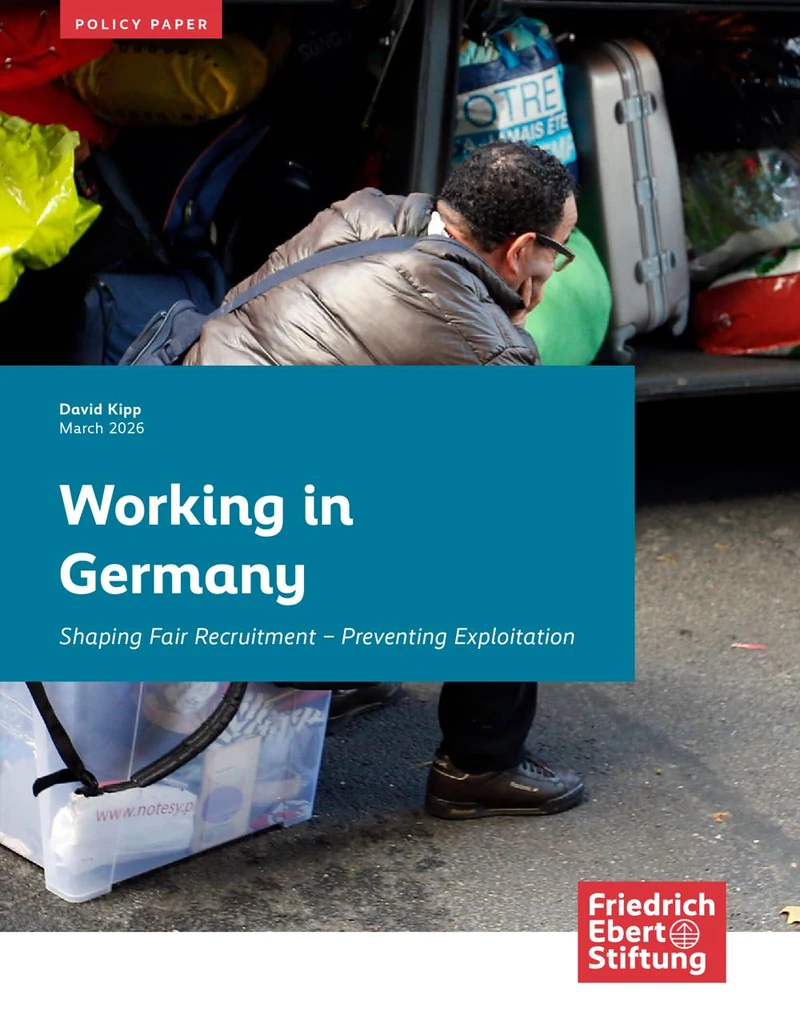
Recruitment structures and exploitation risks for people migrating to Germany for work.
Read publication: Working in Germany: shaping fair recruitment – preventing exploitationConference speaker
Ethical recruitment, migrant-worker protection and fair skilled mobility; open-access chapter in Fair Skilled Mobility: A Manifesto.
Read publication: Pursuing an ethical labour migration process in transnational recruitment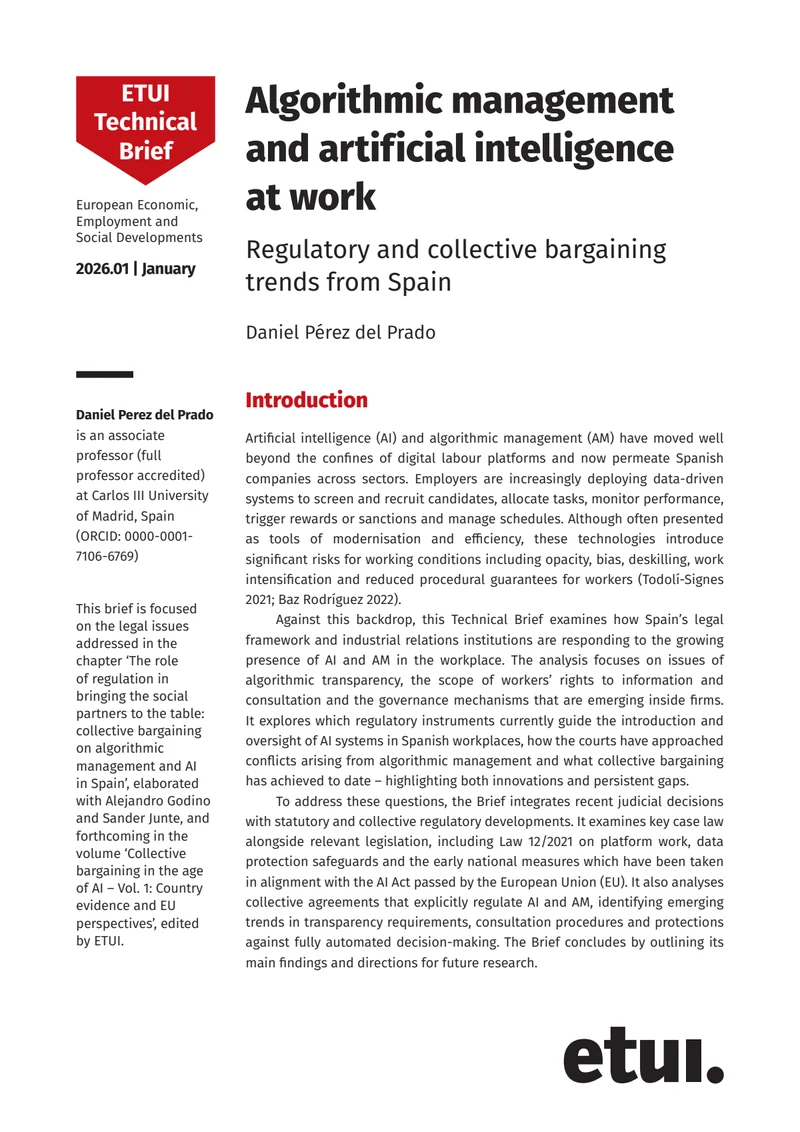
Worker information, consultation, transparency and bargaining around AI and algorithmic management.
Read publication: Algorithmic management and artificial intelligence at work: regulatory and collective bargaining trends from Spain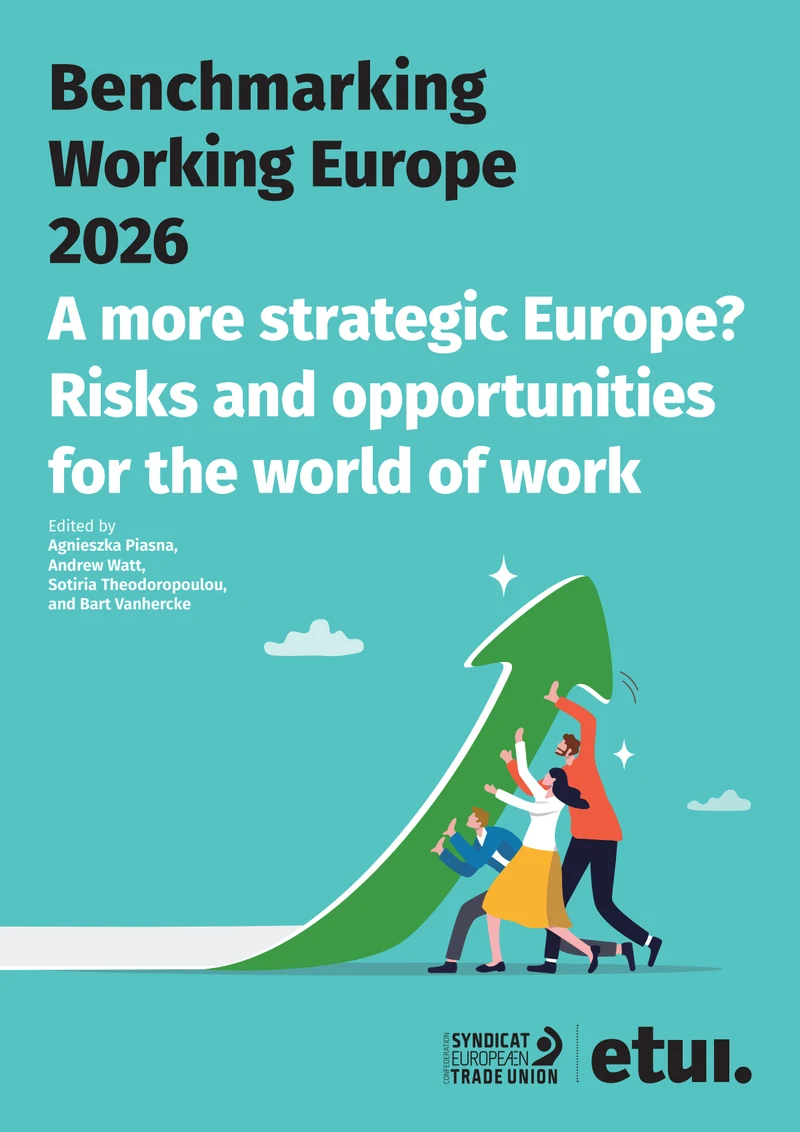
European employment, social protection, public investment and quality jobs.
Read publication: Benchmarking Working Europe 2026: A more strategic Europe? Risks and opportunities for the world of workConference speaker
Labour shortages, emigration, wages, skills and regional development; chapter in Structural Change in the Western Balkans.
Read publication: Western Balkan Labor Markets – Shifts, Shortfalls, SolutionsGender differences in the effects of automation on employment and working lives.
Read publication: Changing working lives: women and automation in the labour market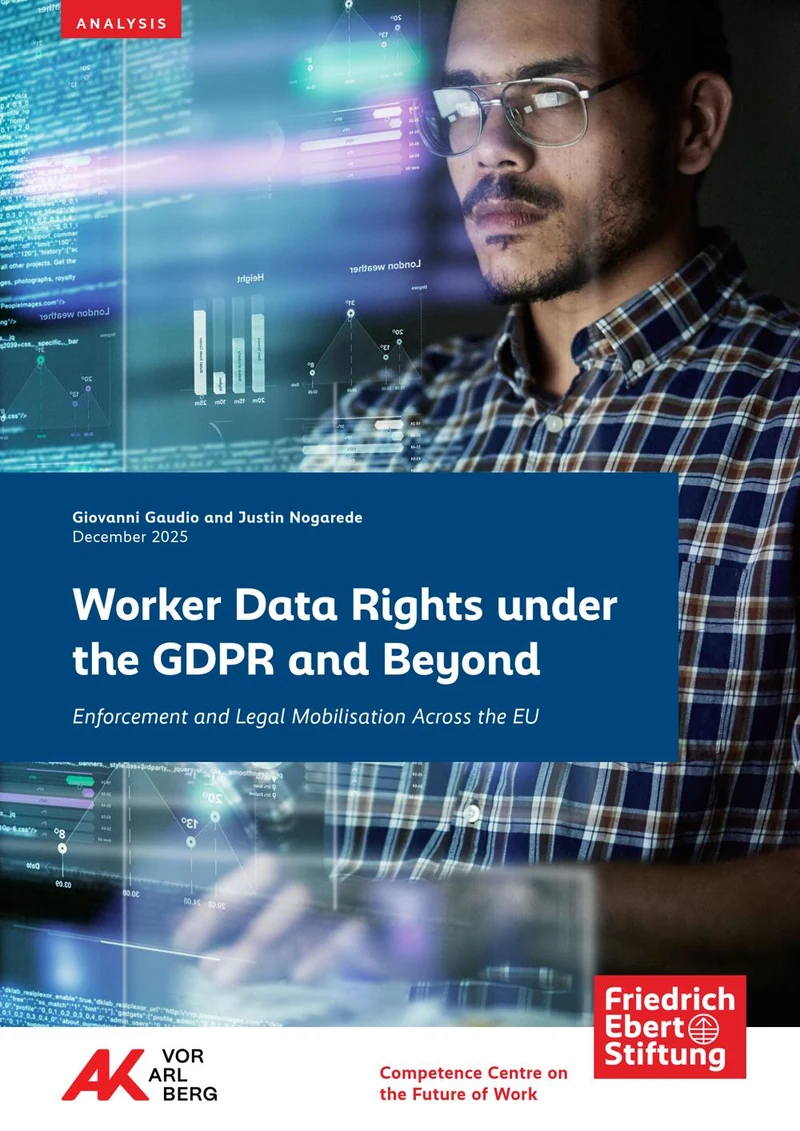
Enforcement and legal mobilisation around workers’ data rights.
Read publication: Worker data rights under GDPR and beyond: enforcement and legal mobilisation across the EU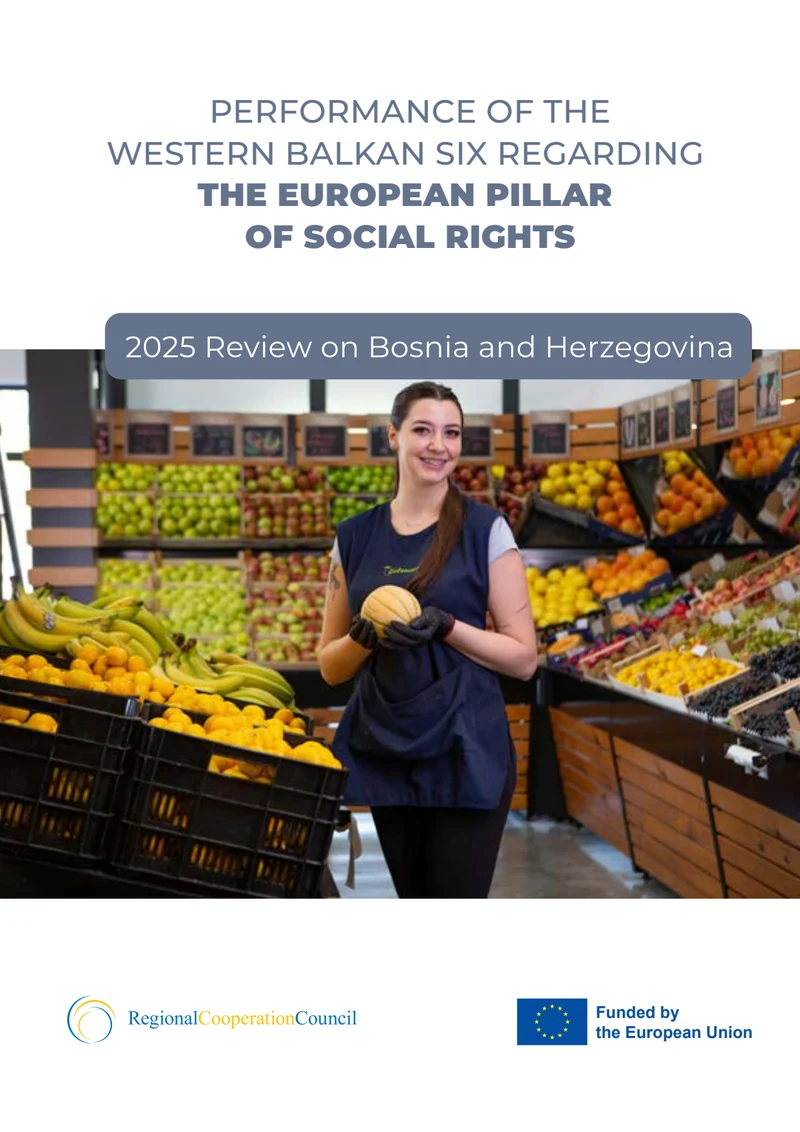
Bosnia and Herzegovina’s employment conditions, social protection and alignment with European social rights.
Read publication: Performance of the Western Balkan Six regarding the European Pillar of Social Rights: 2025 review on Bosnia and HerzegovinaConference speaker
Recommendations addressing skills shortages in digital, care and construction sectors through connected policy areas.
Read publication: At the intersection of migration, education, development, and trade: 20 concrete policy recommendations for tackling skills shortages in the EU and beyond, based on interdisciplinary evidence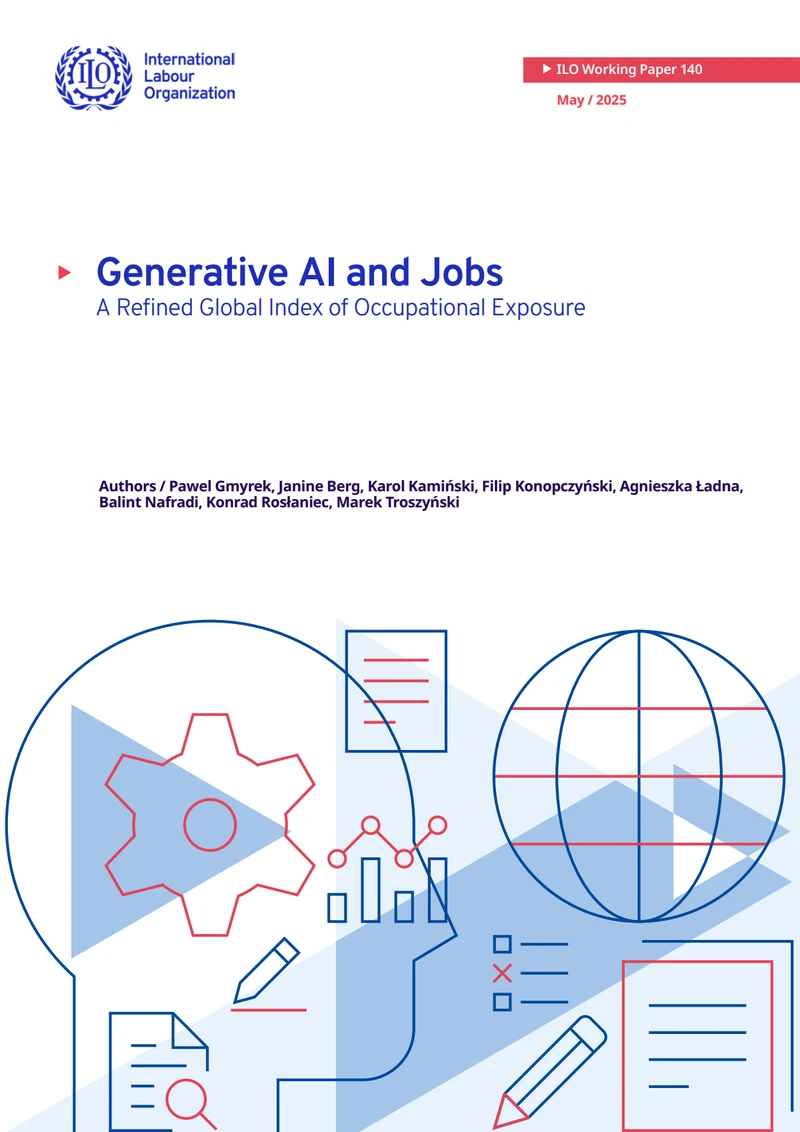
Occupational and task exposure to generative AI; background to discussions of job transformation and automation.
Read publication: Generative AI and Jobs: A Refined Global Index of Occupational Exposure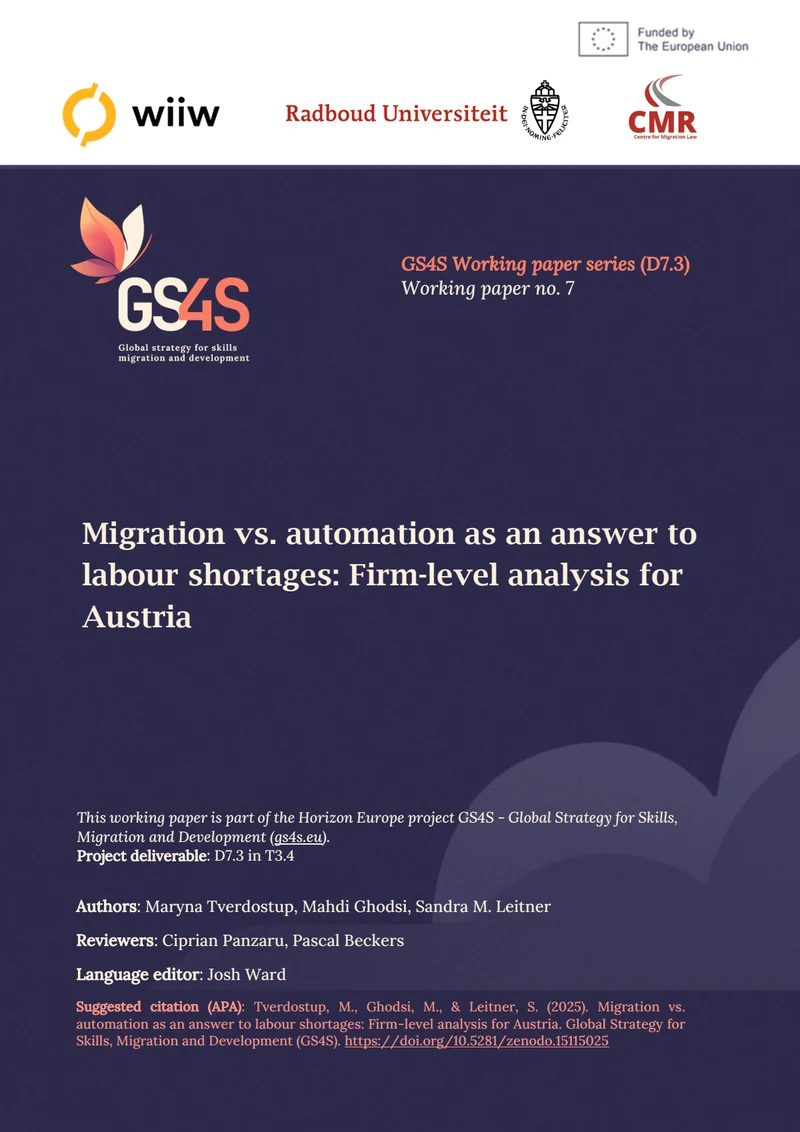
Examines how Austrian firms combine robot adoption and employment of migrant workers.
Read publication: Migration vs. automation as an answer to labour shortages: firm-level analysis for Austria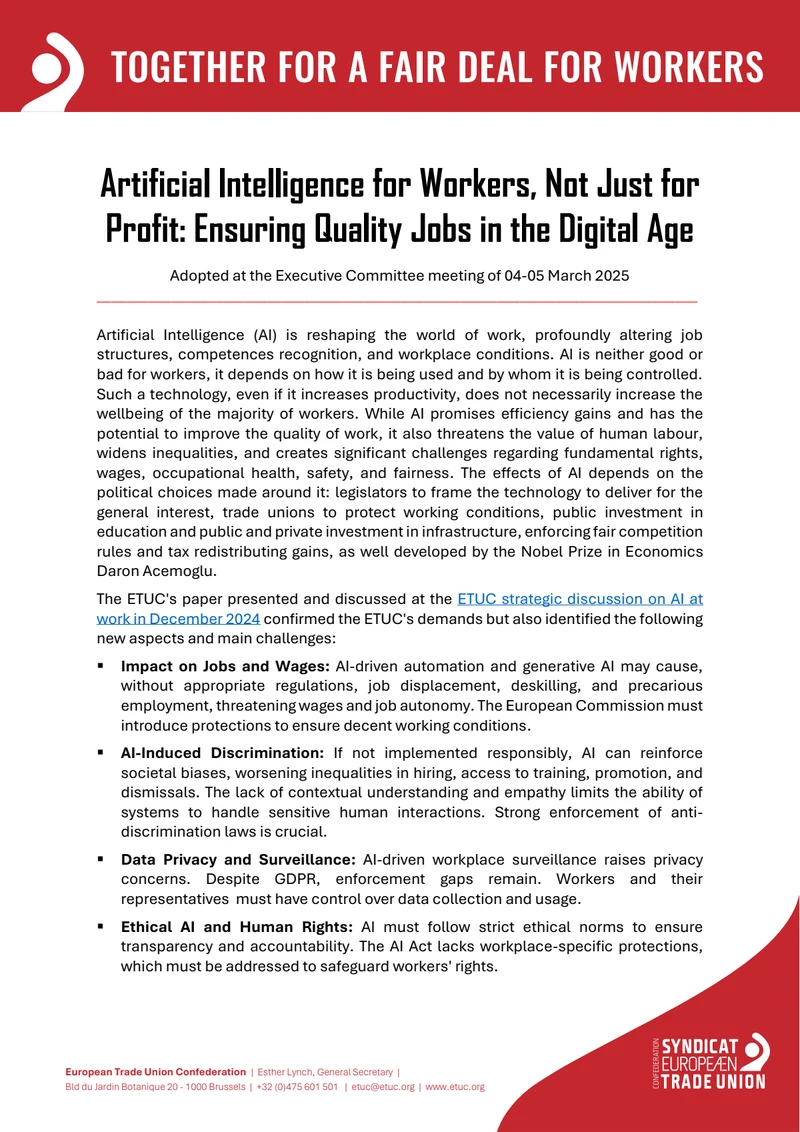
Trade union priorities on control of AI, job quality and the distribution of technological benefits.
Read publication: Artificial Intelligence for Workers, Not Just for Profit: Ensuring Quality Jobs in the Digital Age
Data choices and gender inequalities in AI systems.
Read publication: Gender data: what is it and why is it important for the future of AI systems?
An introduction to feminist approaches to AI development and governance.
Read publication: What is feminist AI?
Gender equality and discrimination in the context of AI regulation.
Read publication: The EU Artificial Intelligence Act through a gender lens
Practical approaches to identifying and addressing gender bias in AI.
Read publication: Multi-stakeholder guidelines on how to address gender bias in AI systems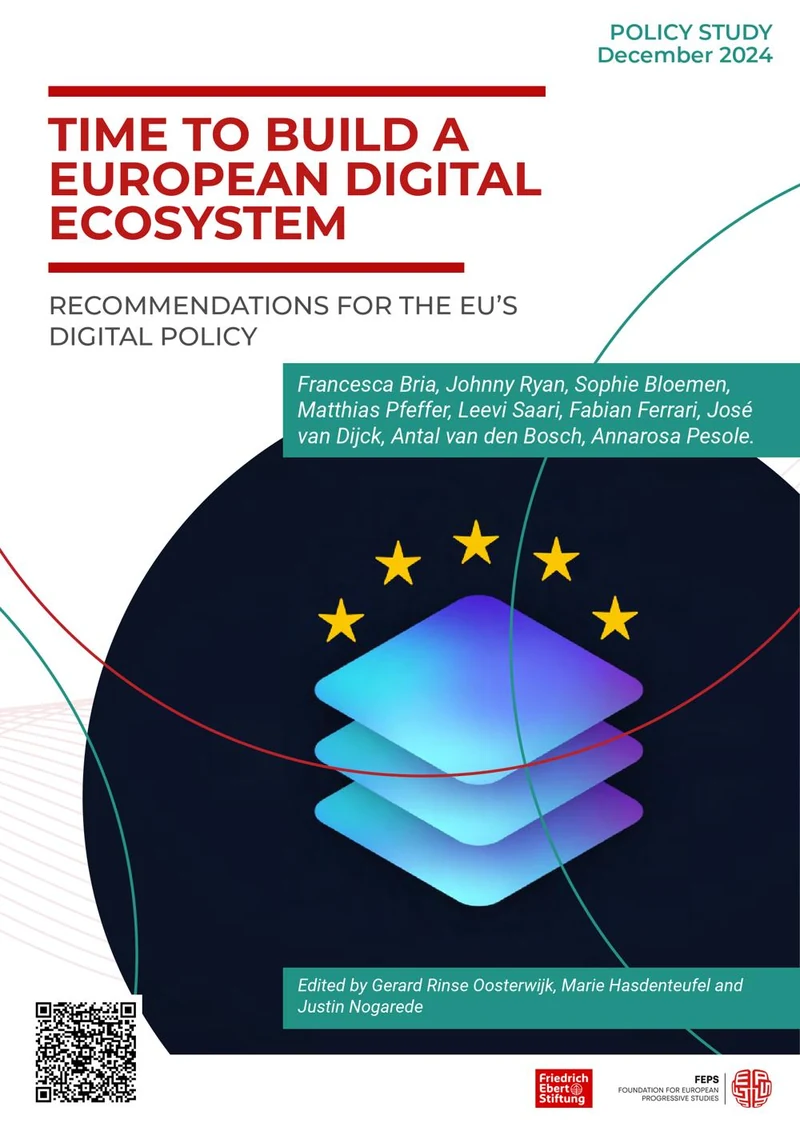
Broader European policy context for digital infrastructure and control of technology.
Read publication: Time to build a European digital ecosystem: recommendations for the EU’s digital policy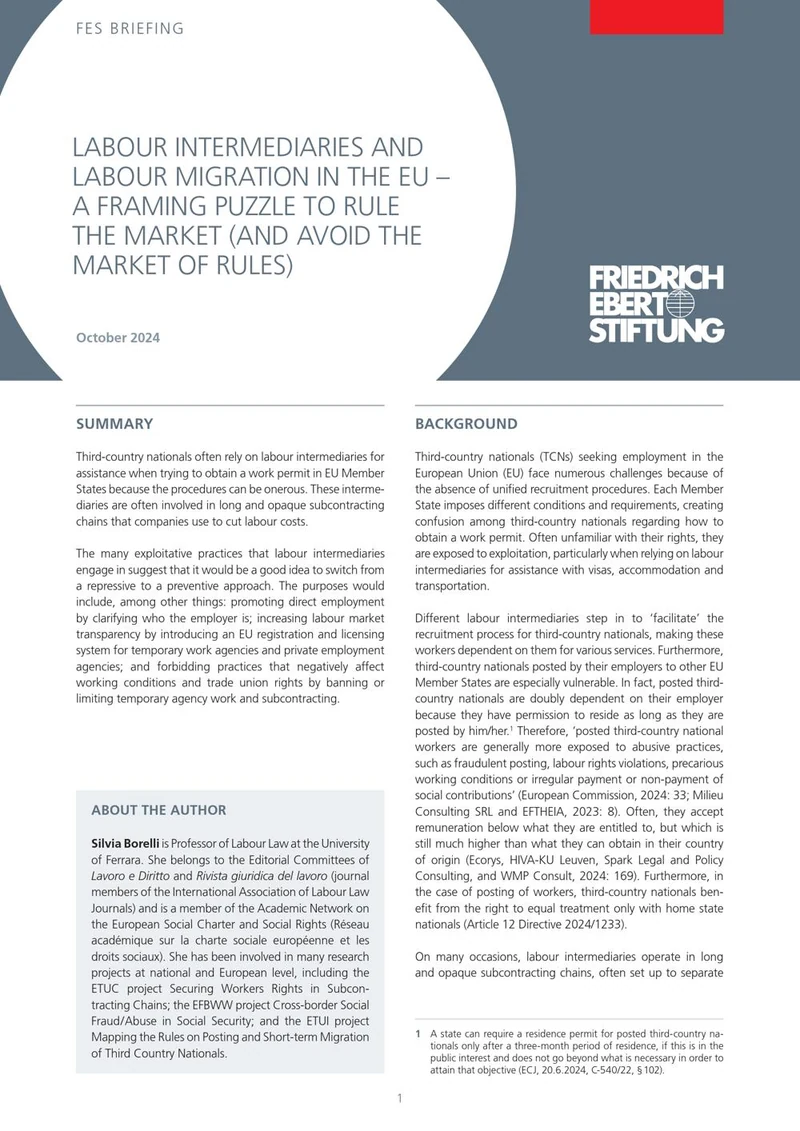
Recruitment intermediaries and the governance of migration for work.
Read publication: Labour intermediaries and labour migration in the EU: a framing puzzle to rule the market (and avoid the market of rules)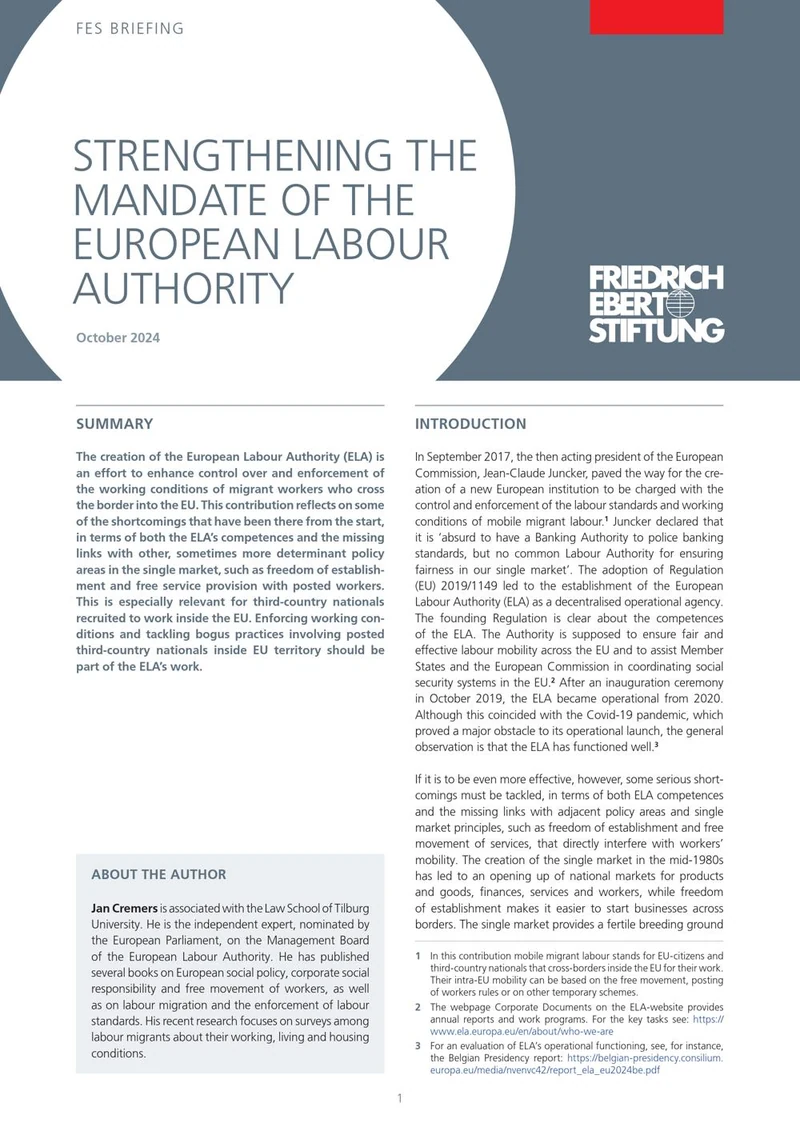
Background on enforcement of labour standards for mobile and migrant workers.
Read publication: Strengthening the mandate of the European Labour Authority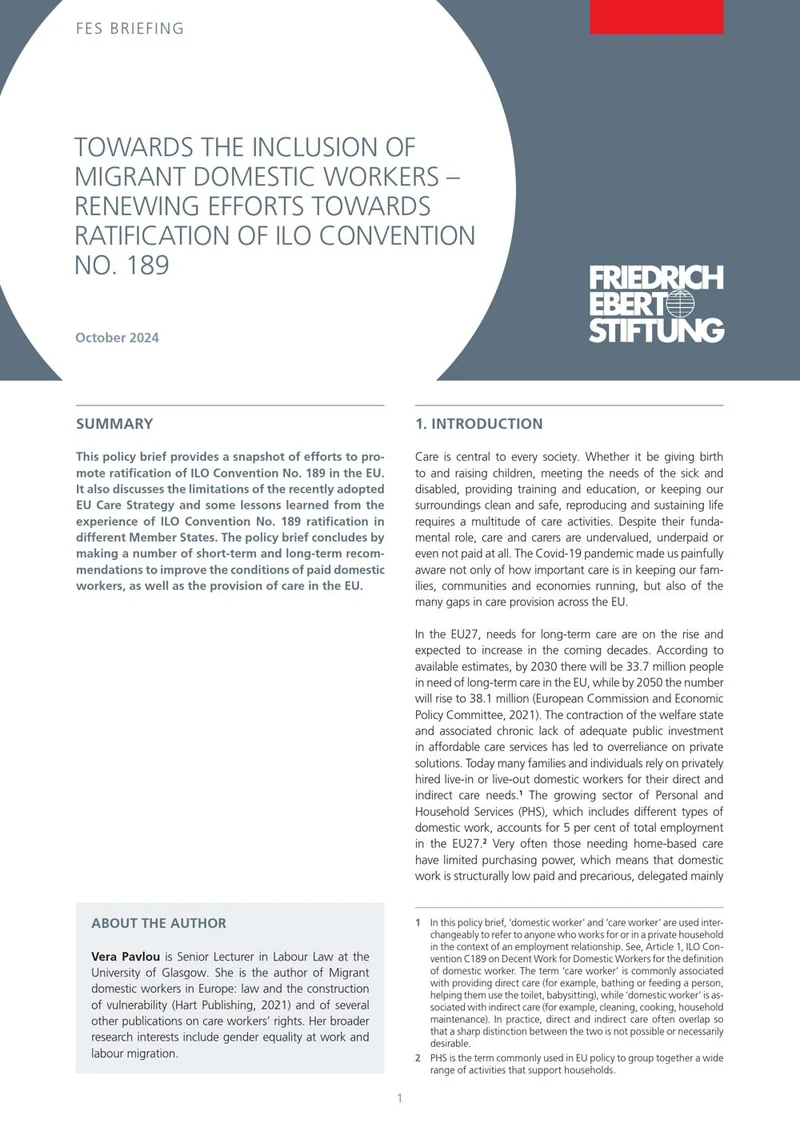
Links migration, care work and protections for domestic workers.
Read publication: Towards the inclusion of migrant domestic workers: renewing efforts towards ratification of ILO Convention No. 189Conference speaker
Evidence on how labour shortages affect migration aspirations in Albania, Bosnia and Herzegovina and Serbia.
Read publication: Skills-oriented migration in the Western Balkans: linking workers’ migration aspirations to skill shortages in destination and origin countries
How collective bargaining can specify data-protection rules at work.
Read publication: Bargaining over workers’ data rights: how unions and works councils can use collective bargaining to specify workplace data protection norms
Workplace data protection, enforcement and the role of social dialogue.
Read publication: Improving workplace data protection: achieving workplace GDPR compliance, clarifying national workplace data protection rules, and enhancing worker data protection through social dialogue
Overview of AI and algorithmic systems in service work, written to support negotiators.
Read publication: AI and algorithmic management in European services sectors: prevalence, functions, and a guide for negotiators
Research on trade union preferences and collective agreements addressing workplace AI.
Read publication: Collective bargaining practices on AI and algorithmic management in European services sectors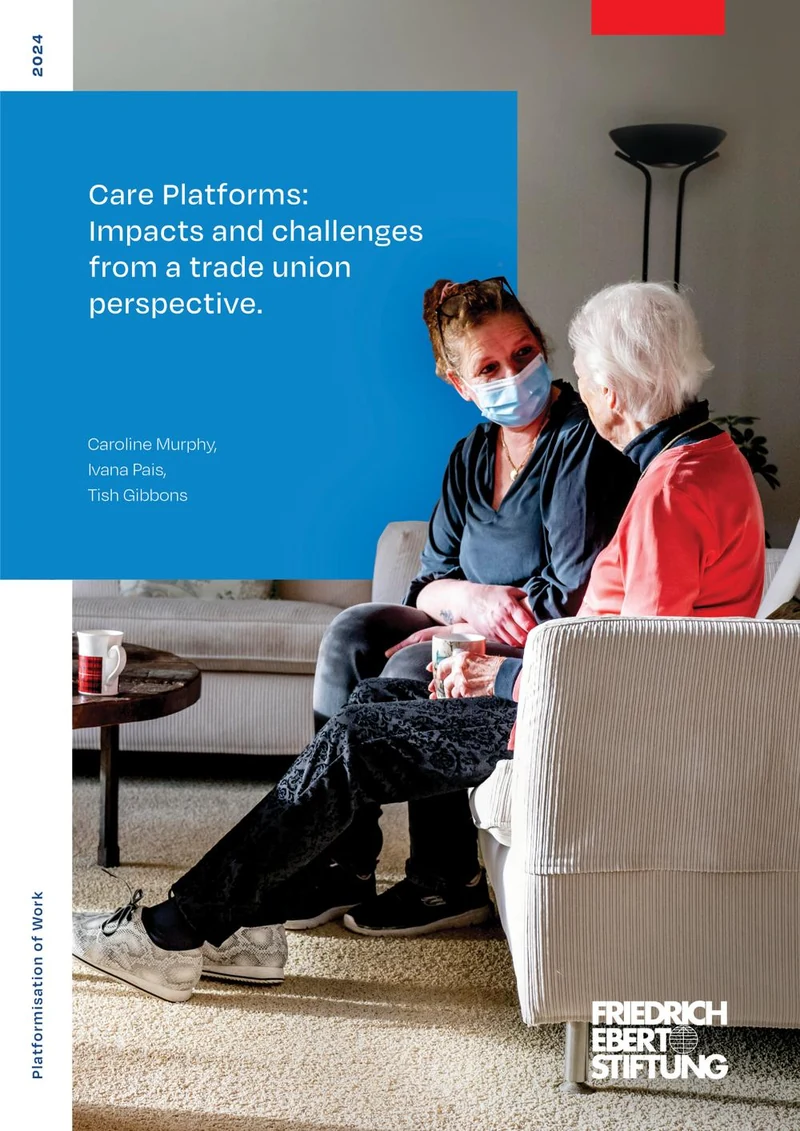
Platform-mediated care work, employment conditions and worker representation.
Read publication: Care platforms: impacts and challenges from a trade union perspective
Remote work and changes in workplace organisation following the pandemic.
Read publication: The future of office work in Europe: results of a survey on consequences of the Covid-19 crisisConference speaker
Platforms, workplace AI, youth employment and wellbeing, coedited by conference speaker Jelena Šapić.
Read publication: Back to What Truly Matters: Platforms, AI, and Youth in the Workplace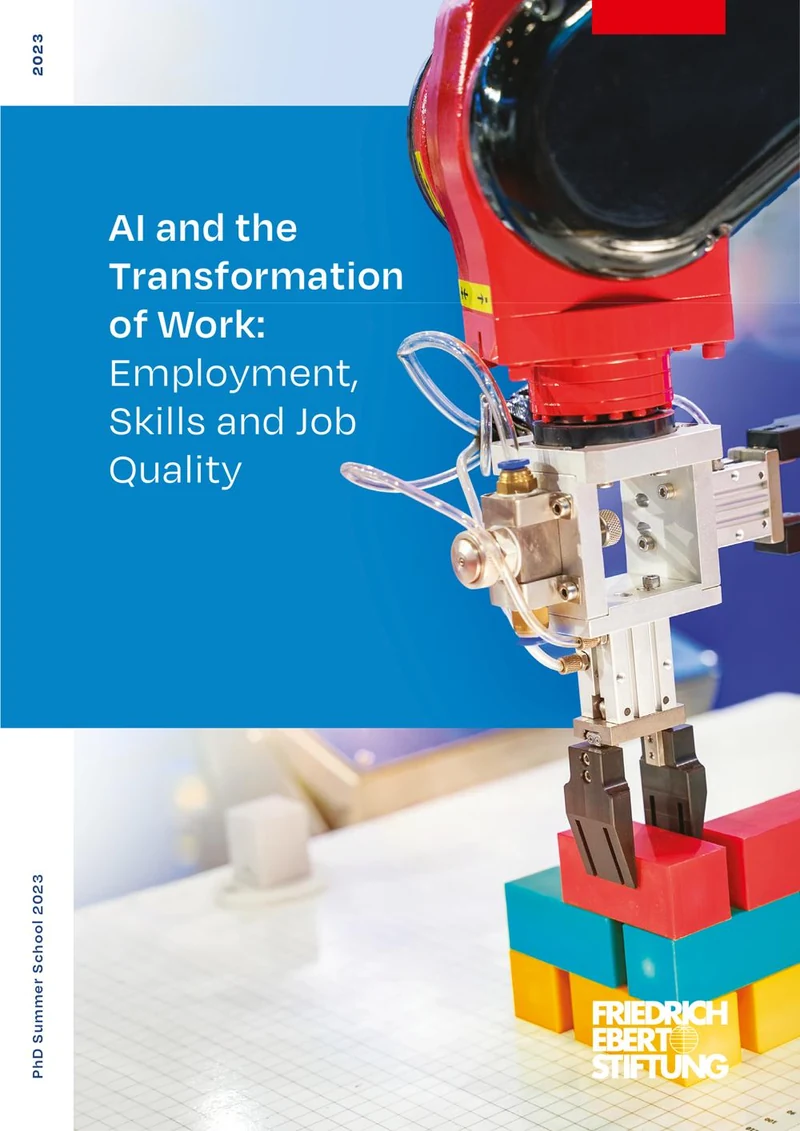
Background research on employment, skills, job quality and workplace AI.
Read publication: AI and the transformation of work: employment, skills and job quality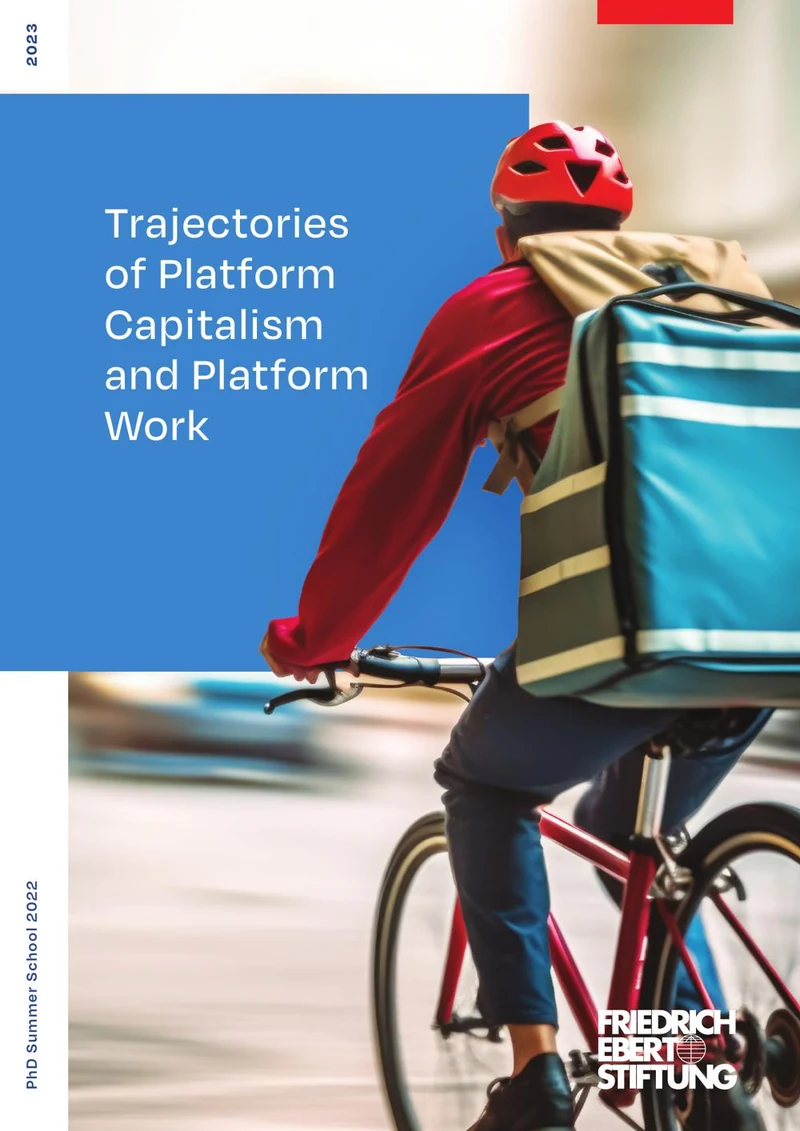
Platform power, working conditions and collective action across different types of platform work.
Read publication: Trajectories of platform capitalism and platform work: PhD Summer School 2022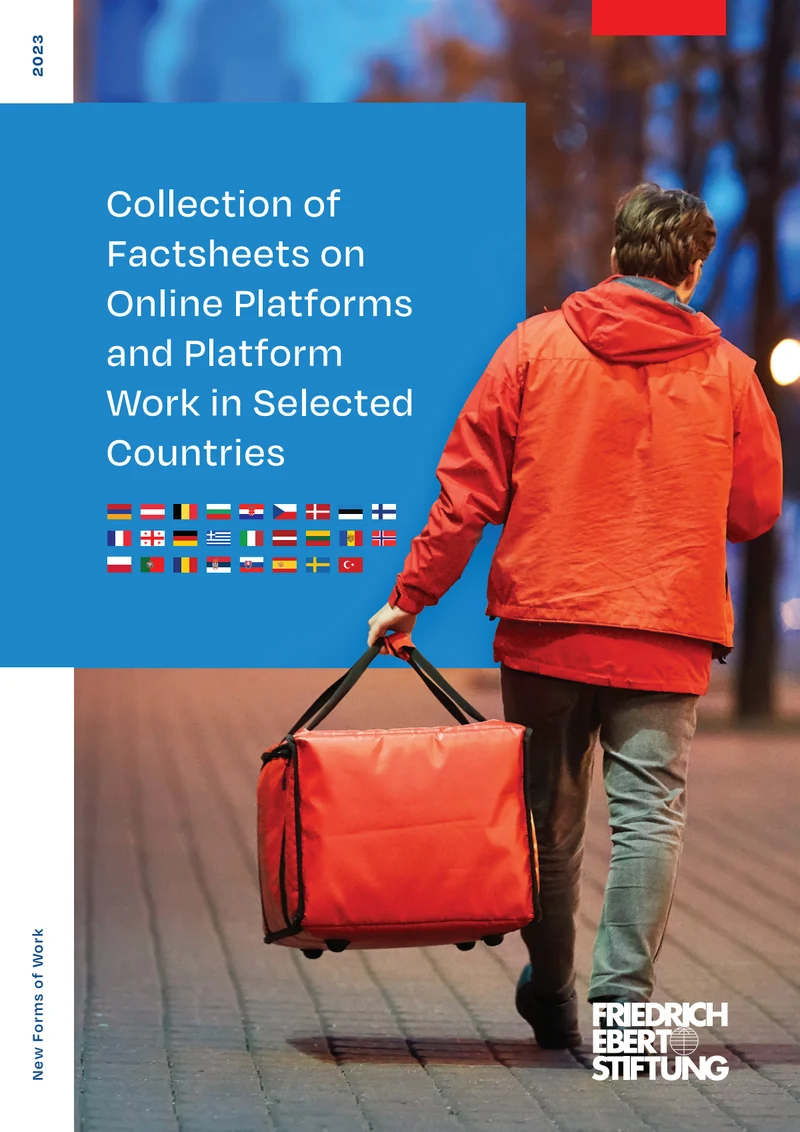
Country comparisons of platform work, including Serbia, Croatia, Bulgaria, Romania and Austria.
Read publication: Collection of factsheets on online platforms and platform work in selected countriesTry another keyword or reset the filters.
 The series continues
05 / Previously in the series
Vienna · 18–19 June 2026
The Vienna programme focused on young workers, strong institutions and digital rights, with workshops on the Austrian model, organising, and the future labour market.
Sarajevo continues the conversation, bringing migration, technology and the future of work in the Balkans into focus.
Discover the next chapter06 / Join the conversation
Sarajevo · 22–23 October 2026
Registration is hosted by Friedrich-Ebert-Stiftung. You will continue to the FES website to enter your details and select your attendance days.
